
Remote work promised a better life. For many people, it delivered. For others, it just moved the stress from the office to the kitchen table.
The numbers tell both sides of that story. What started as an emergency measure during the pandemic has turned into a permanent shift in how the world works.
But the data also reveal a more complicated reality. Burnout is widespread among fully remote employees. Most cannot fully switch off after hours. And a significant share struggle to feel connected to their teams.
This post pulls together the most current stats on remote work and well-being, across regions, demographics, work models and employer policies.

Author

Co-author

Remote work promised a better life. For many people, it delivered. For others, it just moved the stress from the office to the kitchen table.
The numbers tell both sides of that story. What started as an emergency measure during the pandemic has turned into a permanent shift in how the world works.
But the data also reveal a more complicated reality. Burnout is widespread among fully remote employees. Most cannot fully switch off after hours. And a significant share struggle to feel connected to their teams.
This post pulls together the most current stats on remote work and well-being, across regions, demographics, work models and employer policies.
Author
Co-author
Get in Touch with Us

Leah Maglalang
Business Coordinator UAE

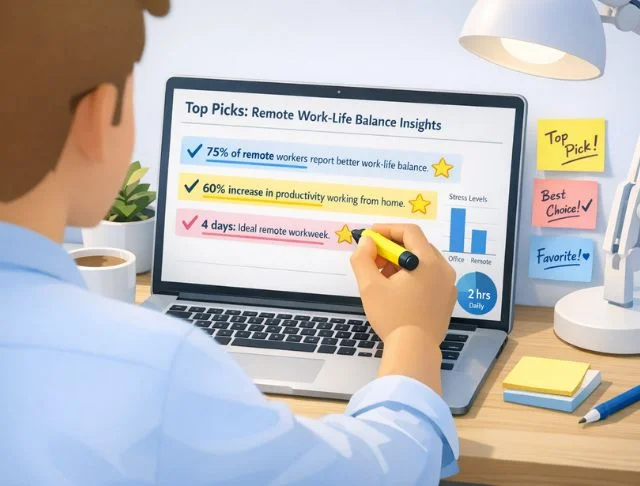
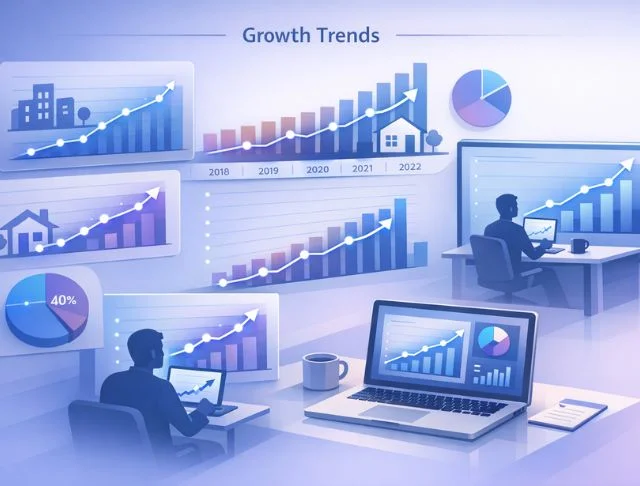
Remote work has gone from a rare perk to a global norm, and the numbers tell a clear story. Here’s what the data actually looks like.
Around 330 million people now work remotely or hybrid worldwide as of 2026. That is not a niche trend. That is a workforce transformation.
In the U.S. alone, about 1 in 5 workers is fully remote today. Upwork projects that number will hit 32.6 million Americans by 2025, roughly 22% of the entire workforce.
What workers want is even clearer. Over 98% say they want to work remotely at least some of the time.
The hybrid model has taken over as the dominant setup. Gallup’s early 2025 data break it down well:
Work Setup | 2019 Share | 2025 Share |
Fully Remote | 8% | 26% |
Hybrid | 32% | 55% |
Fully On-Site | 60% | 19% |
The office-only era is not coming back. Hybrid is now the new default for remote-capable workers.
For the first time ever, work-life balance has topped salary as the number one worker priority. A 2025 Randstad survey found 83% of workers put WLB first, just ahead of salary at 82%.
Younger workers feel this most strongly:
Generation | Pay Cut for Better WLB |
Millennials | 60% |
Gen Z | 56% |
Gen X | 43% |
Baby Boomers | 33% |
Gallup found that 45% of fully remote U.S. workers felt a lot of stress on a given day. That compares to 38-39% among on-site workers. Remote workers also report lower well-being overall. Only 36% of fully remote employees say they are “thriving,” versus 42% for hybrid and 30% for on-site workers.
Digital tools are a big part of the problem. About 69% of remote employees say that digital communication tools have made their burnout worse.
Remote workers are not putting in more hours than before. The data actually point in the opposite direction.
Before 2020, remote-capable workers tended to log more hours than on-site employees. By 2021, the gap had closed. BLS data from Q1 2024 show a further drop. The share of remote workers putting in 40 or more hours per week fell from 42.8% in Q1 2023 to 36.7% in Q1 2024.
Stanford research adds another layer. Modern remote workers spend about one hour less per day on work tasks than they did in 2019. Yet productivity has stayed stable or gone up. Less commuting and more schedule flexibility account for much of that shift.
Sources: Gallup, Owl Labs, McKinsey, Statista, World Economic Forum
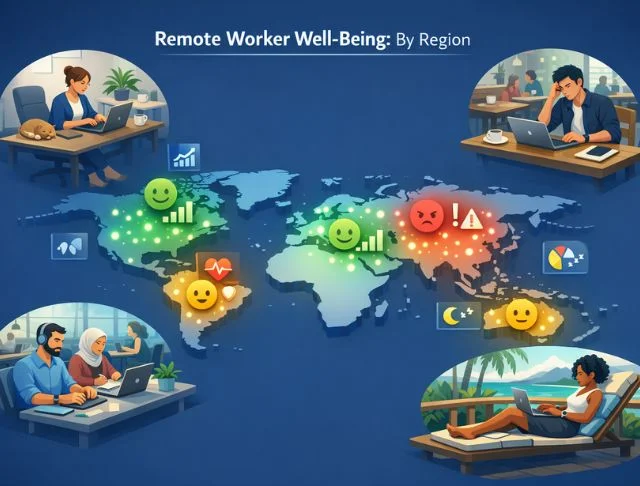
Remote work looks very different depending on where you are in the world. Policy, culture and infrastructure all shape how workers actually live these numbers.
As of early 2023, 35% of U.S. remote-capable workers were fully at home, up from just 7% before the pandemic. Another 41% had moved to hybrid. Most of them say it helps. Specifically, 71% of U.S. workers who work from home say remote work helps them balance work and personal life. Among those, 52% say it helps a lot.
Canada follows a similar path. By mid-2023, about 21% of Canadian employees worked mostly from home, the highest share on record. Canadian teleworkers report higher work-life satisfaction than those commuting daily. A Canadian poll found 81% of workers see remote work as beneficial.
Europe leads the world in policy-backed flexibility. EU telework rates jumped from 14% in 2019 to 24% in 2021 and held at 22% in 2022. That translates to about 44 million workers across EU27.
Several countries have gone further. Since 2020, Belgium, Croatia, Greece, Ireland, Portugal, Slovakia and Spain have all passed “right to disconnect” laws. These laws limit after-hours digital contact from employers. Early data show these policies work. Organizations with disconnect policies report higher job satisfaction and better employee health.
The Asia-Pacific region does not follow one pattern. Australia and New Zealand have made WFH an expectation. A Melbourne University survey found nearly all employees now expect remote flexibility as a default, largely because of its work-life benefits.
Developed Asian markets tell a different story. Japan, Singapore and South Korea saw WFH shares stay under 10% after lockdowns ended. Traditional workplace norms and office culture pushed workers back on-site faster.
India and Southeast Asia saw more remote uptake, but the data are uneven. A 2023 PwC APAC survey found about 30% of APAC employees were considering a job change, partly to find better flexibility.
Formal remote work data for the Middle East and Africa are still thin. In Gulf states and urban African tech hubs, some hybrid roles exist. But most workers across the region remain on-site. Infrastructure limits how far remote work can actually reach.
Mental health awareness is growing, though.
A 2023 East Africa survey found 47% of workers believe workplaces are more open to mental health conversations than before. That is down from 53% in 2022, a drop that suggests the progress is fragile.
Fully remote workers globally feel loneliness and stress more often than on-site peers. As remote work slowly expands in MEA, those same pressures will likely follow.
Latin America has seen one of the fastest remote work surges in the world. Only 3% of the regional workforce worked remotely in 2019.
By 2023, that number had jumped to 30%. By 2024, about 36% of Latin American workers are fully remote.
Workers there seem to embrace it more than in other regions. A full 57% of South American remote workers say they feel productive and satisfied, a higher share than comparable surveys in North America or Europe.
Worker preferences lean toward full remote too. In surveys, 47% of Latin Americans prefer a fully remote setup versus 45% who prefer hybrid. Remote hiring from the region has also exploded. U.S. and European companies picked up on this fast. Remote IT hiring from Latin America jumped 286% in the second half of 2021 alone.
Sources: Pew Research Center, Eurostat, OECD, ILO, Statista
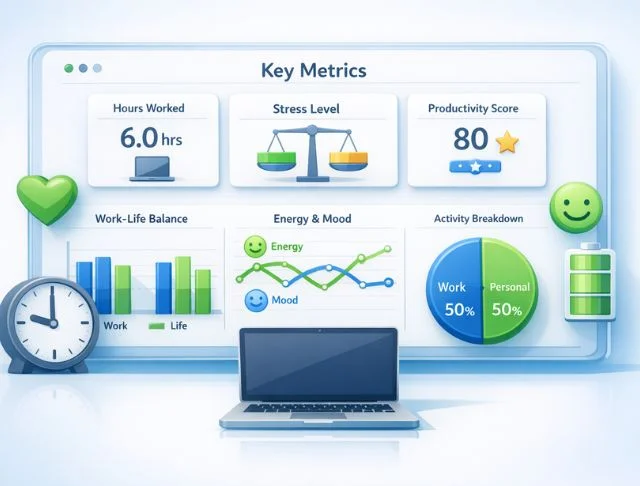
The data on remote work goes beyond just where people work. It reveals how they actually live, rest and hold their personal lives together.
Remote workers are putting in fewer hours than most people assume. U.S. telework data from Q1 2024 show only 36.7% of remote workers logged 40 or more hours per week from home. That is down from 42.8% in Q1 2023.
Daily hours are shrinking too. One analysis found remote employees now work about one hour less per day than they did in 2019. Productivity has not dropped. It has actually grown slightly.
Remote work is giving people back time they did not have before. Canadian time-use data from 2022 show WFH workers spent about 30 extra minutes per workday on leisure compared to office workers. That includes both exercise and passive downtime like watching TV.
Sleep also got a boost. Remote workers slept 19 to 23 minutes more on workdays. They ate more regularly too. The time saved from skipping the commute went straight into rest and personal routines.
That extra 20 minutes of sleep adds up. Over a five-day workweek, remote workers gain more than an hour and a half of sleep compared to commuters. That kind of consistent rest improves alertness and long-term health.
But the picture is not entirely positive. Around 47% of remote workers worry that work bleeds into their personal life. Extended screen time and sitting for long hours have created real ergonomic issues. Eye strain and back pain show up regularly in remote worker surveys.
Remote workers feel productive, and their managers agree. About 77% of remote employees say they get more done outside the office. A separate measure puts it at 62% who feel more productive at home than in a traditional setting.
Managers back this up. A full 78% say their remote teams meet or exceed performance expectations. Hybrid setups may hold a slight edge. Some research puts hybrid teams about 5% ahead of both fully remote and fully on-site teams in output.
This is where remote work gets messy. A large majority of remote workers admit they cannot fully switch off. About 81% check email outside official hours. A full 63% work on weekends. And 47% say the line between work and home life feels blurry.
Several countries have stepped in with policy fixes. France led the way with a “right to disconnect” law back in 2017. Multiple EU nations expanded similar rules after 2020. About 48% of remote employees list “less stress” as a top health benefit of working from home.
Sources: Microsoft Work Trend Index, Harvard Business Review, Buffer, RescueTime, Atlassian
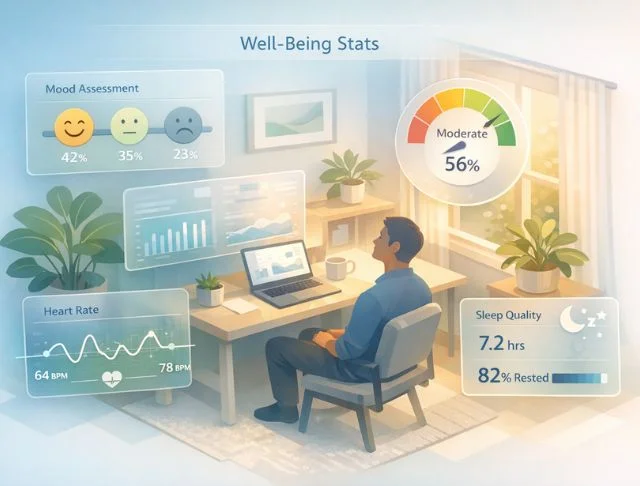
Behind the productivity numbers and flexible schedules sits a more complicated reality. Mental health among remote workers deserves its own look.
Stress levels among remote workers run high. Gallup data show 45% of fully remote employees felt a lot of stress recently. That is above the 38 to 39% rate reported by on-site workers.
Global surveys across Asia, Europe, the Middle East and Africa fill in the broader picture:
Mental Health Issue | Remote Worker Rate |
High Stress | 29.6% |
Anxiety | 31.9% |
Depression | ~28% |
Burnout sits on top of all this. About 52% of all U.S. workers felt burned out in the past year. Among fully remote full-time employees, one report puts that figure at 86%. Blurred work-life lines and the absence of a clear end to the workday drive much of this.
Loneliness is one of the least-covered but most consistent findings in remote work research. About 22% of remote workers say they feel frequent loneliness or social isolation. More than half, around 55%, say it is hard to stay connected with coworkers in a virtual setting.
Gallup data show fully remote employees report loneliness and sadness more often than their hybrid or on-site peers. Less face-to-face contact chips away at motivation and life satisfaction over time.
Isolation Metric | Share |
Feel frequent loneliness | 22% |
Struggle to feel connected | 55% |
The numbers on happiness tell a sobering story. Only 50% of U.S. workers now rate their lives as “thriving,” scoring 7 to 10 out of 10. Back in 2019, that figure was 60%. Worry, stress and sadness have all climbed since then.
Job satisfaction is under similar pressure. Only about 31% of employees say they are very satisfied with their company culture. Just 21% strongly agree that their employer genuinely cares about their well-being. That is a record low.
Flexible work helps but does not fix everything. In the UK, 80% of employees say flexibility has improved their quality of life. Yet remote workers still tend to rate their overall happiness and motivation slightly below on-site peers unless strong support systems are in place.
Sources: American Psychological Association, Mental Health America, WHO, Gallup, Deloitte

Remote work does not affect everyone the same way. Age, gender, family status and income all shape how workers actually experience flexibility and balance.
Younger workers push hardest for work-life balance, and the data back that up. In U.S. surveys, 60% of millennials and 56% of Gen Z say they would take a 20% pay cut for better WLB. Gen X comes in at 43% and Boomers at 33%.
Millennials also lead on remote work adoption and productivity gains:
Generation | Pay Cut for WLB | Productivity Boost |
Millennials | 60% | 66% |
Gen Z | 56% | Not specified |
Gen X | 43% | 46% |
Boomers | 33% | 46% |
About 39% of workers aged 24 to 35 are fully remote, the highest share of any age group. But higher remote rates come with a cost. Workers under 50 report more burnout, with 52% saying they felt burned out in the past year. Among workers over 50, that number drops below 30%.
Men and women do not experience remote work the same way. In the U.S., 38% of men work fully from home compared to 30% of women. Occupation type and caregiving responsibilities drive much of that gap.
When both groups work from home, they both take on more unpaid household work. Canadian data show men and women doing WFH spend more time on cooking, cleaning and laundry than their office-going counterparts. But women still carry the larger share of those duties overall.
Gender | Fully Remote | Higher Burnout |
Men | 38% | Lower |
Women | 30% | Higher |
Burnout hits women harder. U.S. survey data from 2024 show a larger share of female employees reported burnout than male employees. For women managing remote work alongside home demands, especially those with children, that stress compounds fast.
Sources: U.S. Bureau of Labor Statistics, Pew Research Center, McKinsey, Statista

Policy shapes experience. The way companies handle flexibility, scheduling and wellness directly determines how remote workers feel day to day.
Schedule control is one of the strongest predictors of well-being among remote workers. APA survey data from 2023 show 89% of fully remote and 85% of hybrid workers are satisfied with when and where they work. Only 77% of on-site workers say the same.
Workers take active steps to protect their time. Owl Labs found 58% of employees block off calendar time to guard against meeting overload. Buffer’s 2024 report found 48% of hybrid and remote workers feel more energized than the year before, and most credit their flexible routine for that.
Lack of flexibility drives people away fast. About 35% of workers say they would turn down a job that lacked flextime. Another 38% would outright refuse a full-time office position.
The largest four-day workweek trial to date, published in Nature Human Behaviour in 2025, produced clear results. Burnout dropped. Job satisfaction rose.
Mental and physical health improved across participants after six months on a reduced schedule. Those gains held up a full year into the trial.
Productivity did not suffer. Over 90% of companies in the trial chose to keep the four-day week after the six-month mark. Workers reported fewer mistakes and sharper focus during shorter weeks.
Remote workers actually use their time off. A global survey found 69% of remote employees took vacation in the past three months, compared to only 52% of fully on-site employees. That gap matters for how we think about remote work and rest.
About 60% of remote and hybrid workers now say they have more personal time than when they worked fully on-site. The APA found that 95% of workers believe it is important for employers to respect the boundary between work and personal time.
But not all remote workers manage this well. About 44% in one survey said their hours actually increased after shifting to remote work. Without clear policies, time off gets replaced by “work from bed” habits where sick days turn into half-days of email.
Most remote and hybrid workers now have some access to employer wellness support. About 59% report access to mental health programs like counseling or wellness days. Where these programs exist, workers report better overall well-being, though detailed effectiveness data is still thin.
The lifestyle picture is promising. About 72% of workers say their employer helps them maintain a healthy lifestyle. Well-designed programs that cover fitness, nutrition and mental health can cut sick days by roughly 1.5 days per employee per year.
Hybrid workers in particular show lifestyle gains. Around 68% of hybrid workers report improved sleep and 54% say they exercise more since switching to a part-week home setup.
Sources: SHRM, Harvard Business Review, Gartner, Microsoft Work Trend Index, Deloitte
Where you work shapes how you live. The data on remote work environments reveal a lifestyle shift that goes well beyond the desk.
Most remote workers are not working in ideal conditions. Only 22% of hybrid and remote employees say their home workspace needs no improvement. That means 78% are dealing with issues like poor ergonomics, noise problems or slow internet on a daily basis.
Suboptimal setups carry real health costs. Poor posture from makeshift desks and the absence of a clear physical boundary between work and home both drive stress and physical strain. Some employers have stepped up. About 58% of global managers supported giving employees home office equipment after the pandemic. But that still leaves a large share of remote workers funding their own setup.
Cutting the commute is one of the most concrete lifestyle upgrades remote work delivers. U.S. remote workers save an average of 55 minutes per day by not commuting. Owl Labs data show 74% of workers believe they would be more productive without it.
In the UK, 86% of hybrid workers said the removal of the commute improved their work-life balance directly. Nearly 75% of hybrid workers also reported feeling more productive, and 85% said job satisfaction improved when they split their week between home and office. Saved commute time appears to be one of the biggest single drivers of those gains.
Remote work does not automatically make people more active. In fact, on-site workers exercise more during the workday than fully remote workers do. Owl Labs found 47% of full-time office employees worked out during the day, compared to only 22% of fully remote workers.
That said, hybrid workers show a different pattern. A UK survey found 54% of hybrid workers exercised more than when they worked full-time in an office. And 84% of remote and hybrid workers say they eat healthier at home than they would at the office.
Screen time has climbed sharply since the pandemic. Estimates put the increase at 60 to 80% above pre-pandemic levels. In 2023, 38% of people said they struggle to limit their screen use to comfortable levels.
The health concern is real. Deloitte found 60% of people who feel they spend too much time on screens worry about the physical or emotional impact. For remote workers, video calls and online collaboration tools add cognitive load on top of regular screen use.
Sources: Bureau of Labor Statistics, Buffer, Eurofound, Statista, American Psychological Association

The remote work story is still being written. Forecasts point toward a future where flexibility is the baseline, not the exception.
Hybrid work is on track to become the dominant global model by 2030. Stanford economist Nick Bloom projects hybrid will lead worldwide, with around 80% of U.S. companies already offering some form of remote work today. Fully remote roles may settle at roughly 10 to 15% of all jobs in the long run.
Technology will play a big role in sustaining that shift. Bloom predicts virtual collaboration tools will grow more immersive and seamless by 2030. AI-driven meeting platforms and wider high-speed connectivity could make remote work feel as interactive as in-person work, which would support both productivity and well-being at scale.
AI is already inside the remote workplace. A PwC survey from 2025 found 54% of workers had used AI tools at work in the past year, though only 14% used generative AI daily.
The stress picture is more complicated. AI can free up time and cut repetitive work. But Bloom flags a real concern: the jobs most suited to remote work are also the most exposed to AI automation and offshoring. That overlap could introduce job security anxiety for fully remote workers, a layer of stress that wellness programs alone will not resolve.
Sources: World Economic Forum, PwC, Forrester, McKinsey Global Institute
The data on remote work and well-being do not point in one clean direction. Workers sleep more, eat better and skip the commute. Productivity holds up. But burnout is widespread, boundaries are blurry and loneliness stays underreported.
The real story is not whether remote work is good or bad. It is that outcomes depend on policy, support and structure. The stats in this post give you the evidence to make that case.
You are currently viewing a placeholder content from Calendly. To access the actual content, click the button below. Please note that doing so will share data with third-party providers.
More InformationYou are currently viewing a placeholder content from Calendly. To access the actual content, click the button below. Please note that doing so will share data with third-party providers.
More InformationYou need to load content from reCAPTCHA to submit the form. Please note that doing so will share data with third-party providers.
More InformationYou are currently viewing a placeholder content from Turnstile. To access the actual content, click the button below. Please note that doing so will share data with third-party providers.
More InformationYou are currently viewing a placeholder content from Vimeo. To access the actual content, click the button below. Please note that doing so will share data with third-party providers.
More InformationYou need to load content from reCAPTCHA to submit the form. Please note that doing so will share data with third-party providers.
More InformationYou are currently viewing a placeholder content from Elfsight. To access the actual content, click the button below. Please note that doing so will share data with third-party providers.
More InformationYou are currently viewing a placeholder content from reCAPTCHA. To access the actual content, click the button below. Please note that doing so will share data with third-party providers.
More Information